
CNC milling
Send a drawing or 3D model — we will evaluate how to manufacture the part for your project.
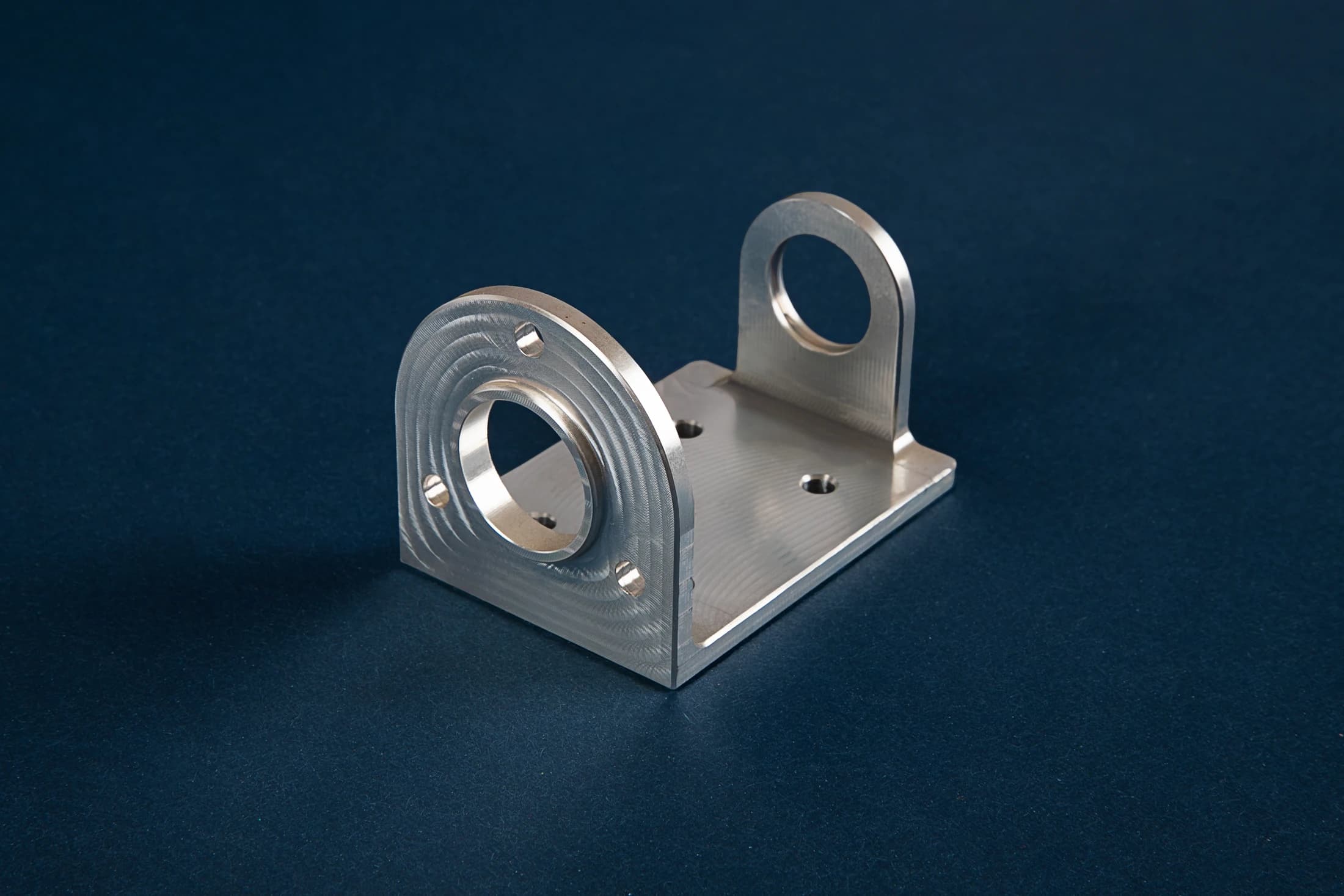
Milled parts that fit your assembly
We mill to your drawing and 3D model. The part has to fit the assembly it was designed for, and come out the same in the next batch.
Before quoting we review geometry, material, quantity and technical requirements and work out how to make the part.
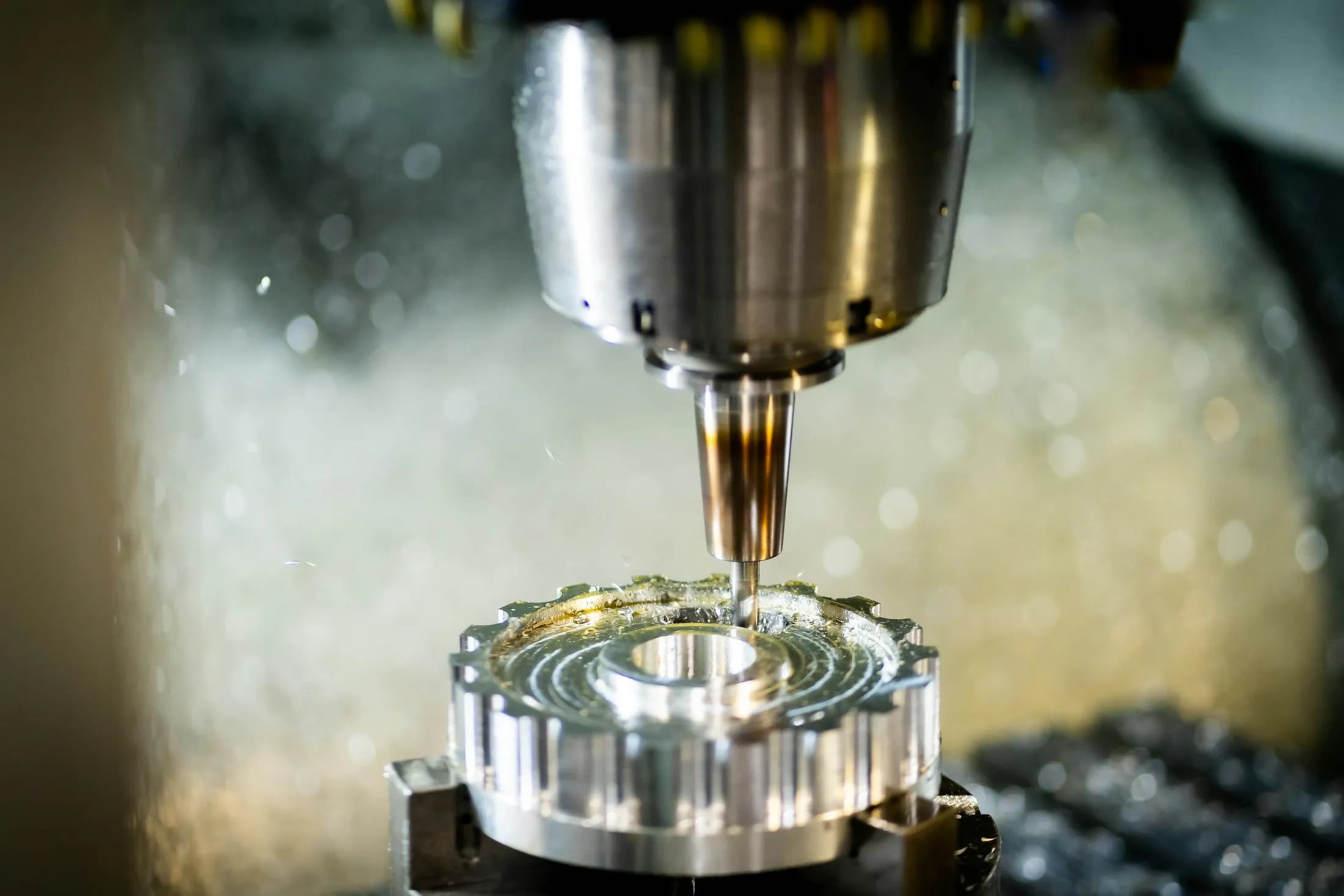
We mill on DNM 5700 and DNM 6700 vertical machining centres: aluminium, steel, stainless steel, brass and engineering plastics.
On the drawing, give pocket depths, hole positions and related dimensions. If a surface matters for how the part works, mark it.
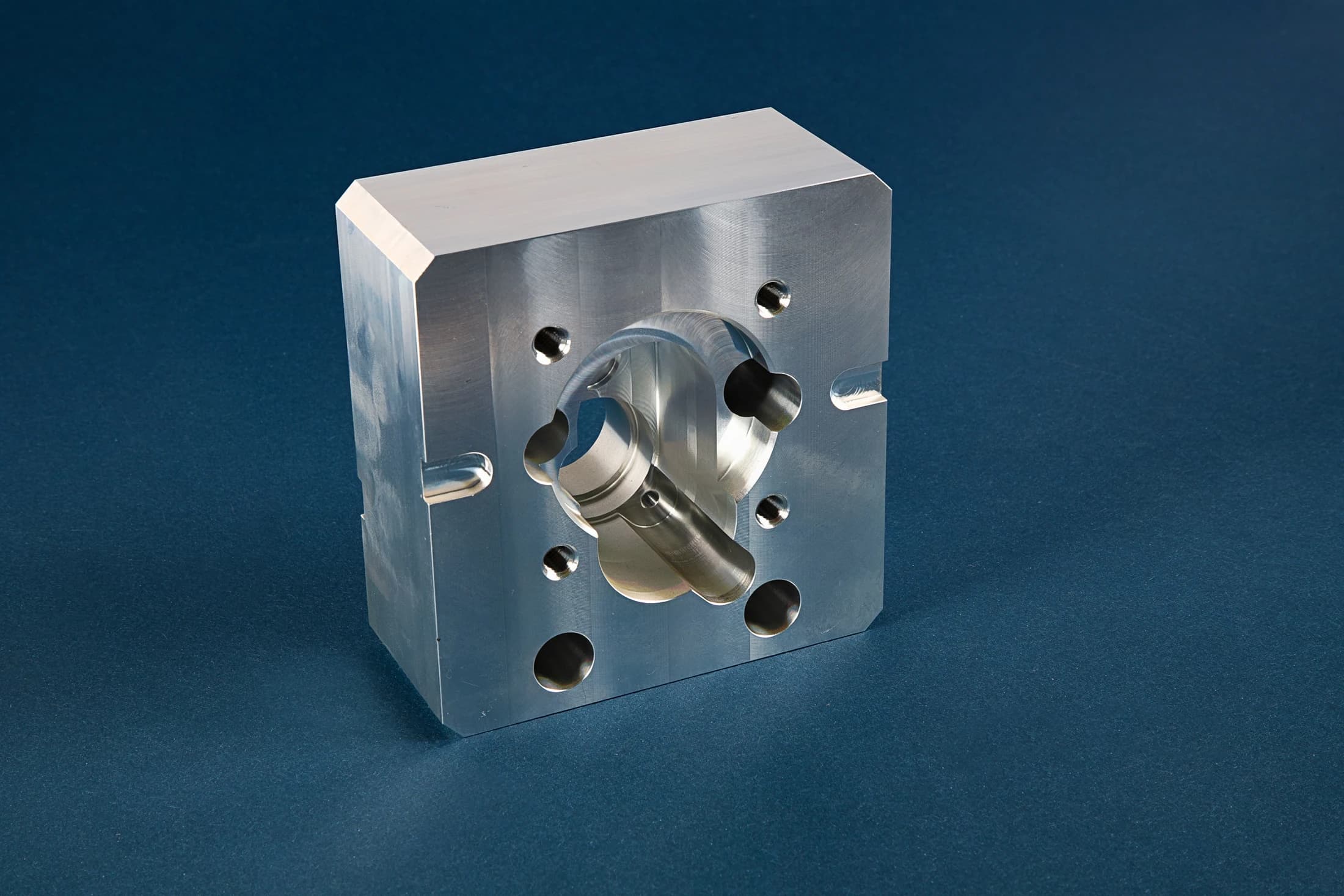
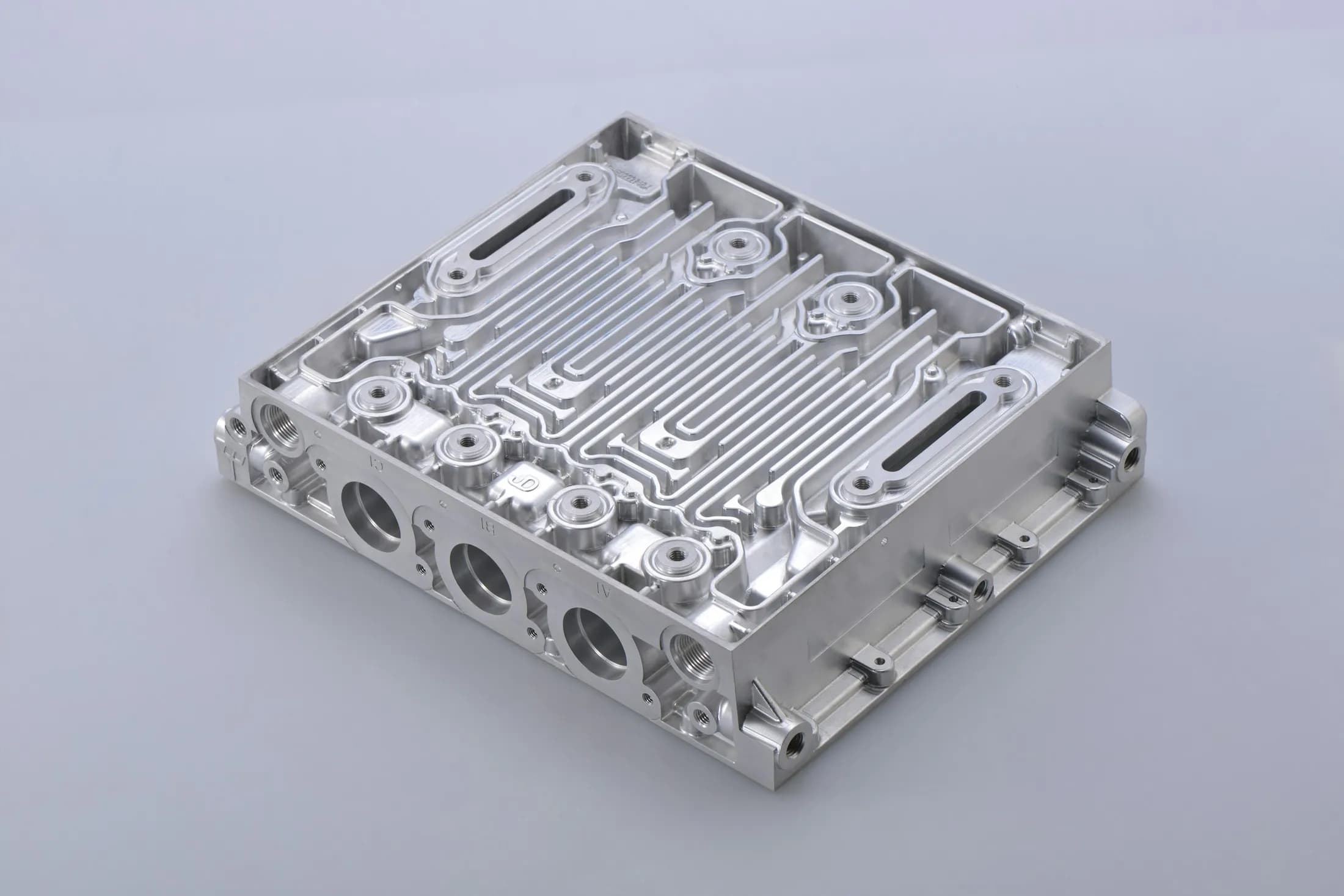
Examples of milled parts
The examples show the kinds of shapes we mill. Every order is assessed from its drawing and requirements.
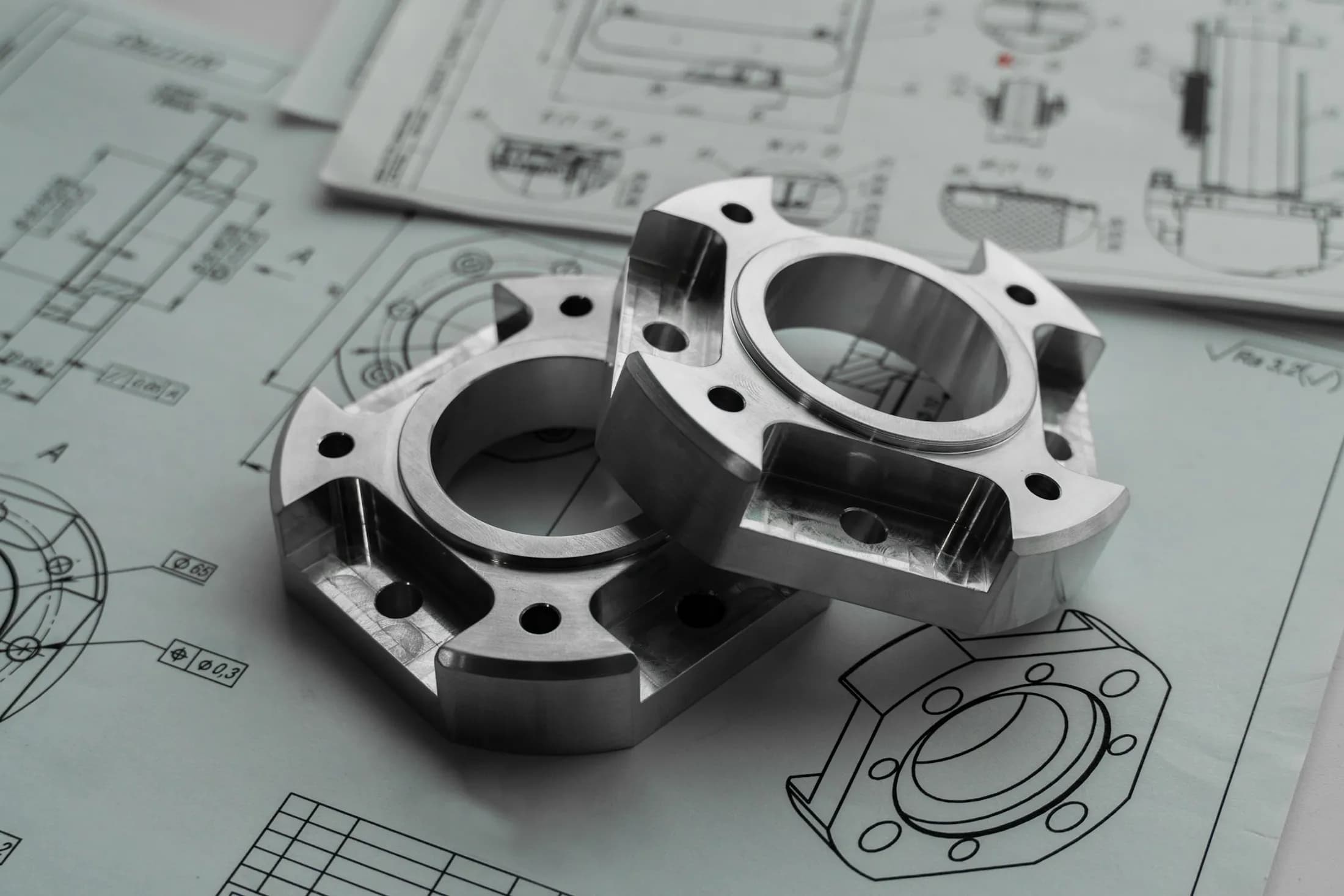
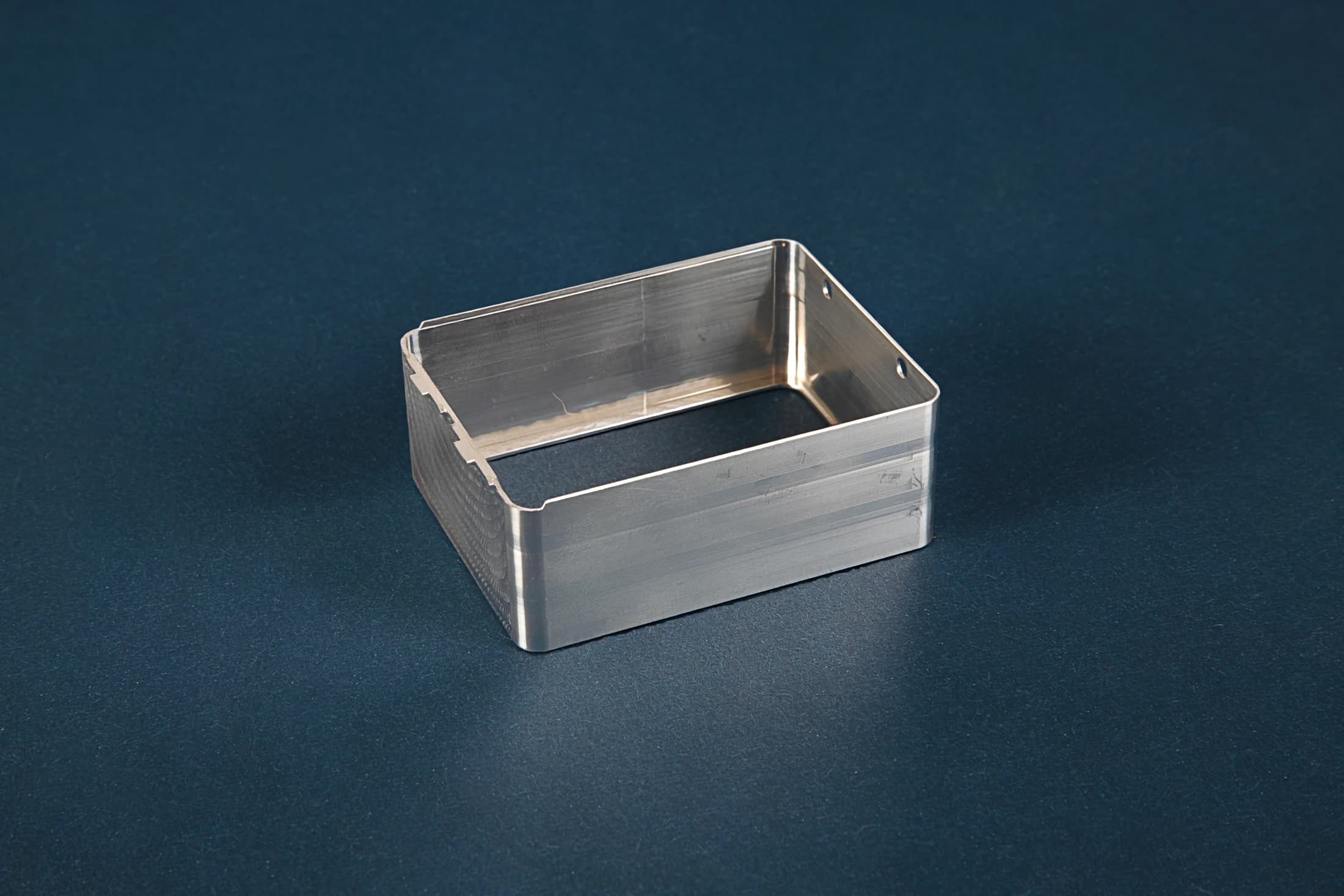
CNC milling to drawing: technical requirements
Assessing a housing, support or frame requires its geometry and an understanding of how it fits the assembly. Include a PDF drawing with your STEP or STP model for requirements that the model does not specify.
Pockets, holes and reference surfaces
Specify pocket depths, internal radii, wall thicknesses and hole locations. For threaded holes, include the thread designation and depth. Mark reference surfaces and related dimensions so the machining approach and required checks can be assessed.
Material grade and stock
“Metal” or “plastic” alone is not enough for a comparable quotation. Specify the exact material grade and its condition where required. If you intend to supply the stock, include its dimensions. Material suitability and supply arrangements are agreed for the specific order.
Tolerances and surface quality
Identify dimensions that matter for assembly, their tolerances and the required surface roughness. Specify which surfaces need finishing and which remain as machined. If an inspection report or material document is needed, include it in your enquiry so the requirement can be agreed before production.
Quantity and drawing revision
State the number of parts, required delivery date and one current drawing revision. List quantity options separately if you need a comparison. For repeat orders, identify any changes to the geometry, material or finish.
You do not need a milled part for its own sake. You need a part that fits the assembly, matches the drawing, and can be produced again in the next run.
You send a drawing or 3D model. We evaluate how the part can be manufactured — considering geometry, material, quantity, and technical requirements.
The goal is a part you can use in your product, assembly, or production process.
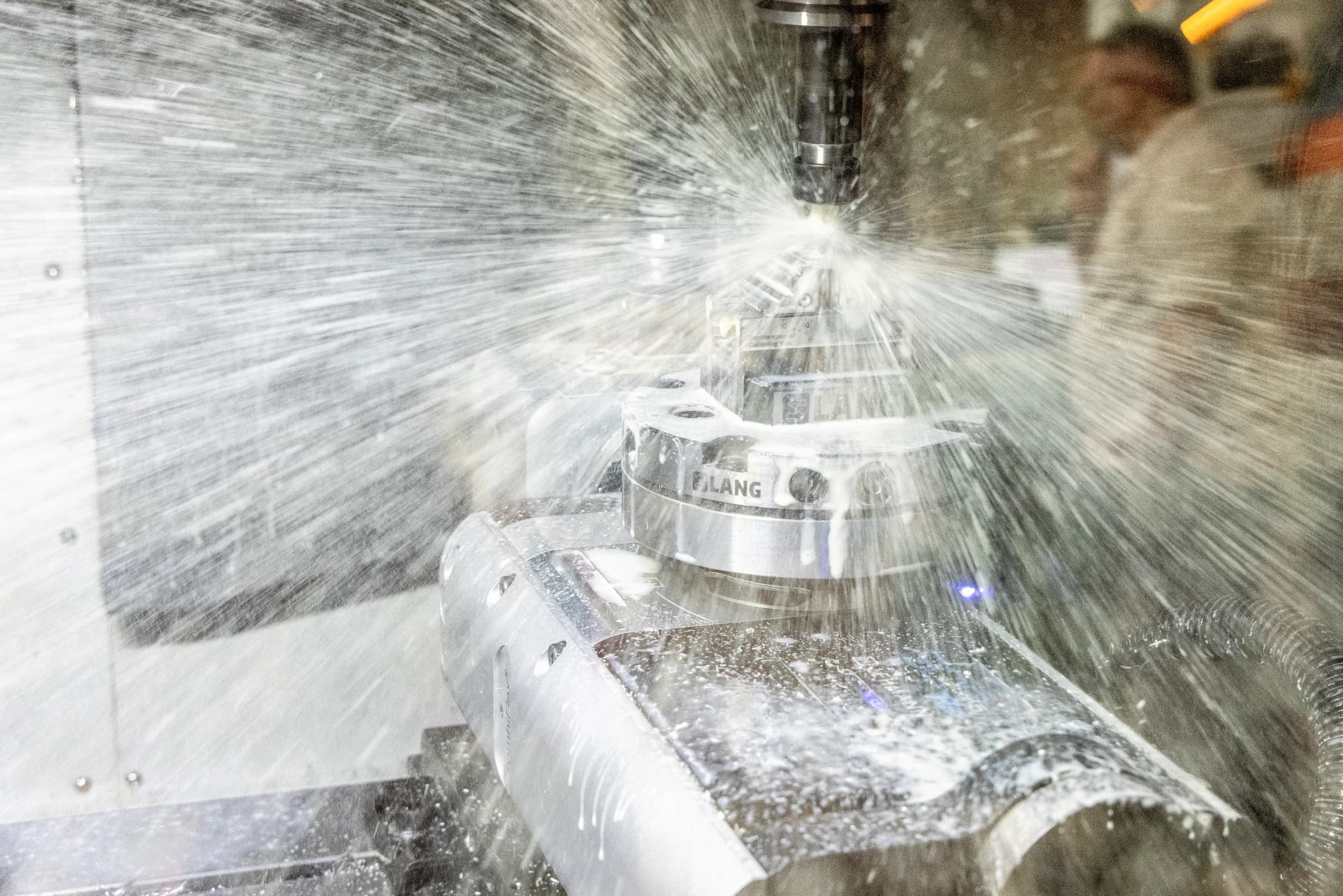
From a 3D model to a part that fits your product.
What the price depends on
Price comes mostly from machining time, setup and tooling. The more of this we know, the more accurate the offer.
Geometry
Shape, pockets and tool access decide how many setups the part needs and how long it stays on the machine.
Material
Material sets cutting parameters, tooling and the cost of the blank. If you have not chosen one yet, say so.
Quantity
Setup and programming are spread over the whole batch, so a larger batch usually lowers the price per part.
Tolerances
Tight tolerances need more careful machining and more measuring. Mark which dimensions are critical.
Surface requirements
Visible faces, roughness and anodising can add steps. It is better to know about them before the offer.
Materials
Suitability of metals and plastics for a specific project is confirmed when preparing a quote.
What we need to price a part
A STEP model shows an approximate price straight away. For an exact offer, add a drawing with tolerances.
3D modelis
STEP, STP
Tehniskais rasējums
PDF, ja nepieciešamas papildu prasības
Materiāls
Daudzums
Papildu prasības
How an order works
You send a drawing or model
A STEP or PDF file, the material and the quantity are enough. A STEP model shows an approximate price straight away.
We review the part
An engineer checks geometry, material, quantity and critical dimensions.
We send an offer
You get the exact price by email, usually within 1–2 working days.
We mill the parts
We write the CNC program and machine the parts on our own machining centres.
We inspect and ship
Before dispatch we check dimensions and surfaces against the drawing.
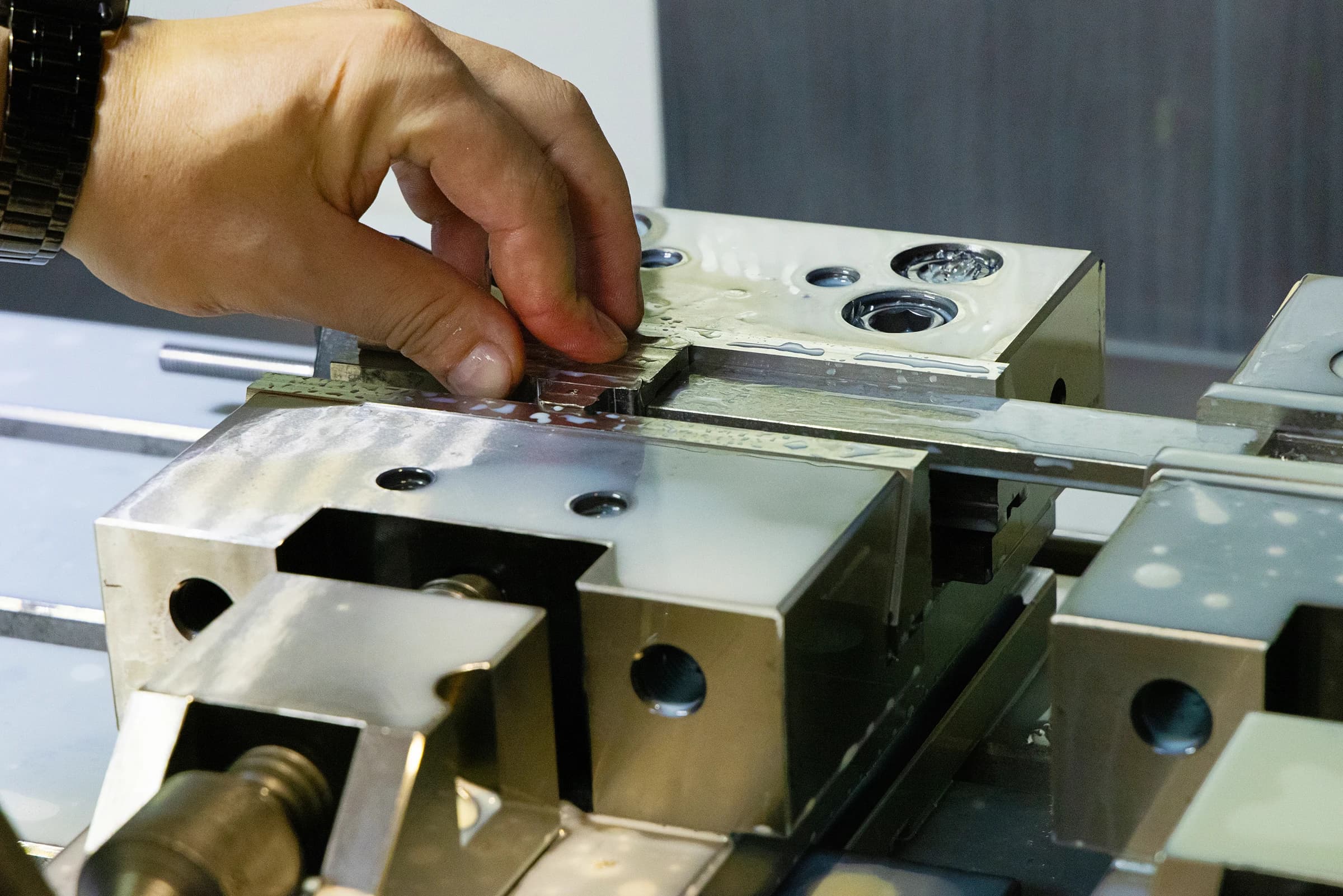
The same part in the next batch
ISO 9001
Manufacturing quality should be repeatable, not accidental. We work with a quality management system aligned to ISO 9001.
Questions about CNC milling
Is a STEP model enough?
A STEP or STP model is enough for an initial assessment of the shape. Include a PDF drawing for tolerances, threads, roughness and other requirements not specified in the model. We assess both files together when preparing the quote.
How should I specify the material for a milled part?
Provide the exact material grade rather than only a material group. If the grade has not been selected, describe the part’s function and operating environment. Material selection and possible alternatives need to be agreed at the quotation stage.
Can a photograph replace a technical drawing?
A photograph helps explain the shape and intended use, but does not define dimensions, material or tolerances. Include a drawing or 3D model and identify the critical requirements for a manufacturing assessment.
Which materials do you mill?
Aluminium (EN AW-6082, EN AW-7075, EN AW-5083), steel (S235, S355, C45, 42CrMo4), stainless steel (AISI 304, AISI 316), brass, bronze, copper and plastics (POM, PA6, PEEK, PTFE).
How quickly can I get a price?
Upload a STEP or STP model and you see an approximate price straight away, before any contact details. An engineer prepares the exact offer from the drawing, usually within 1–2 working days.
What tolerances can you hold?
Standard tolerances follow ISO 2768-m, fine ones ISO 2768-f. Put tighter tolerances on the drawing and the engineer assesses them in the offer.
Do you make prototypes and series?
Yes, single prototypes as well as series. You can list several quantities in the request and compare the price for each.
Get a price for a milled part
Upload a STEP model and you see an approximate price straight away. PDF, DXF and SolidWorks files work too.