
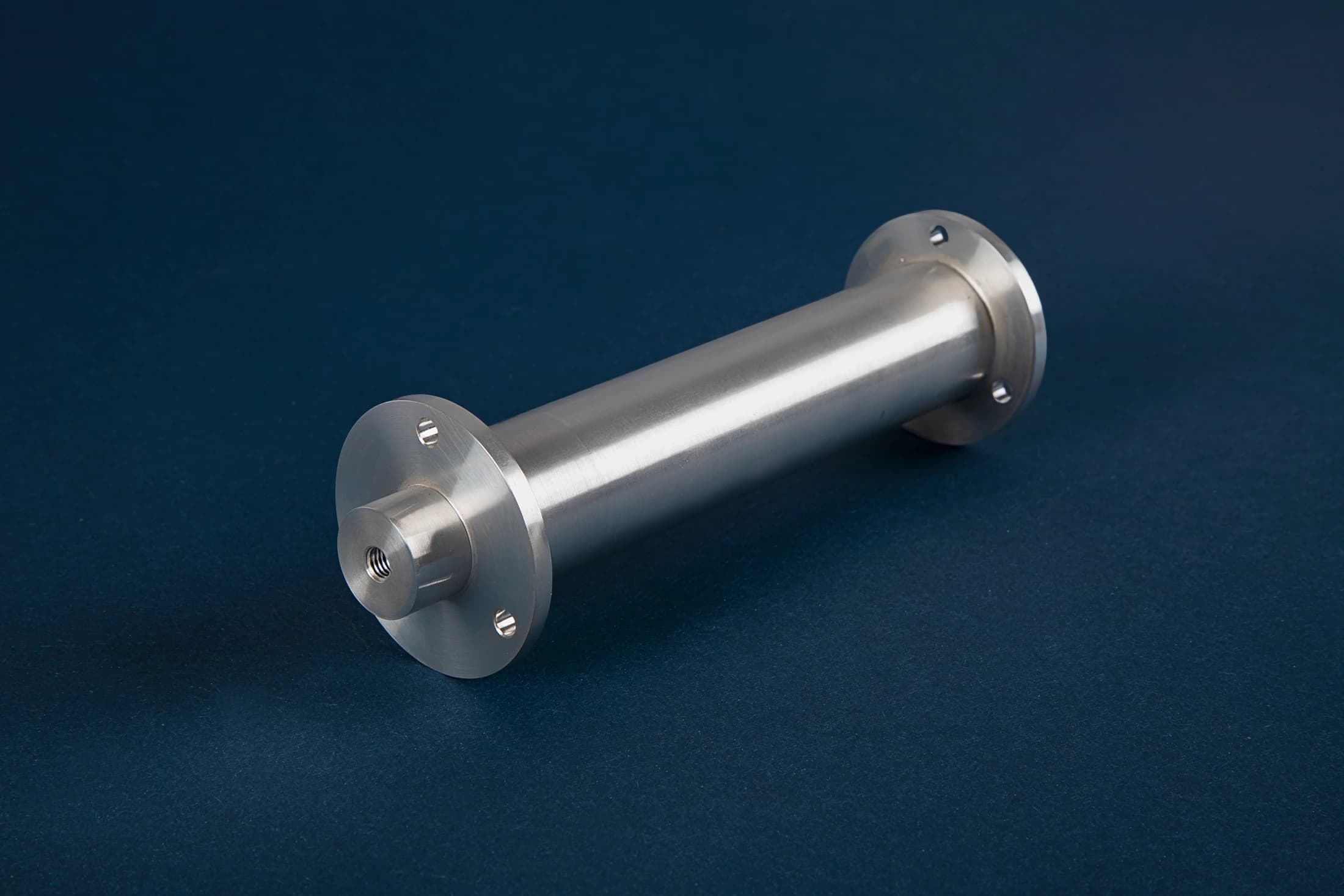
CNC Turning
Shafts, rings and flanges made to your drawing. Upload a 3D model and see an approximate price straight away.
Turned parts for your assembly
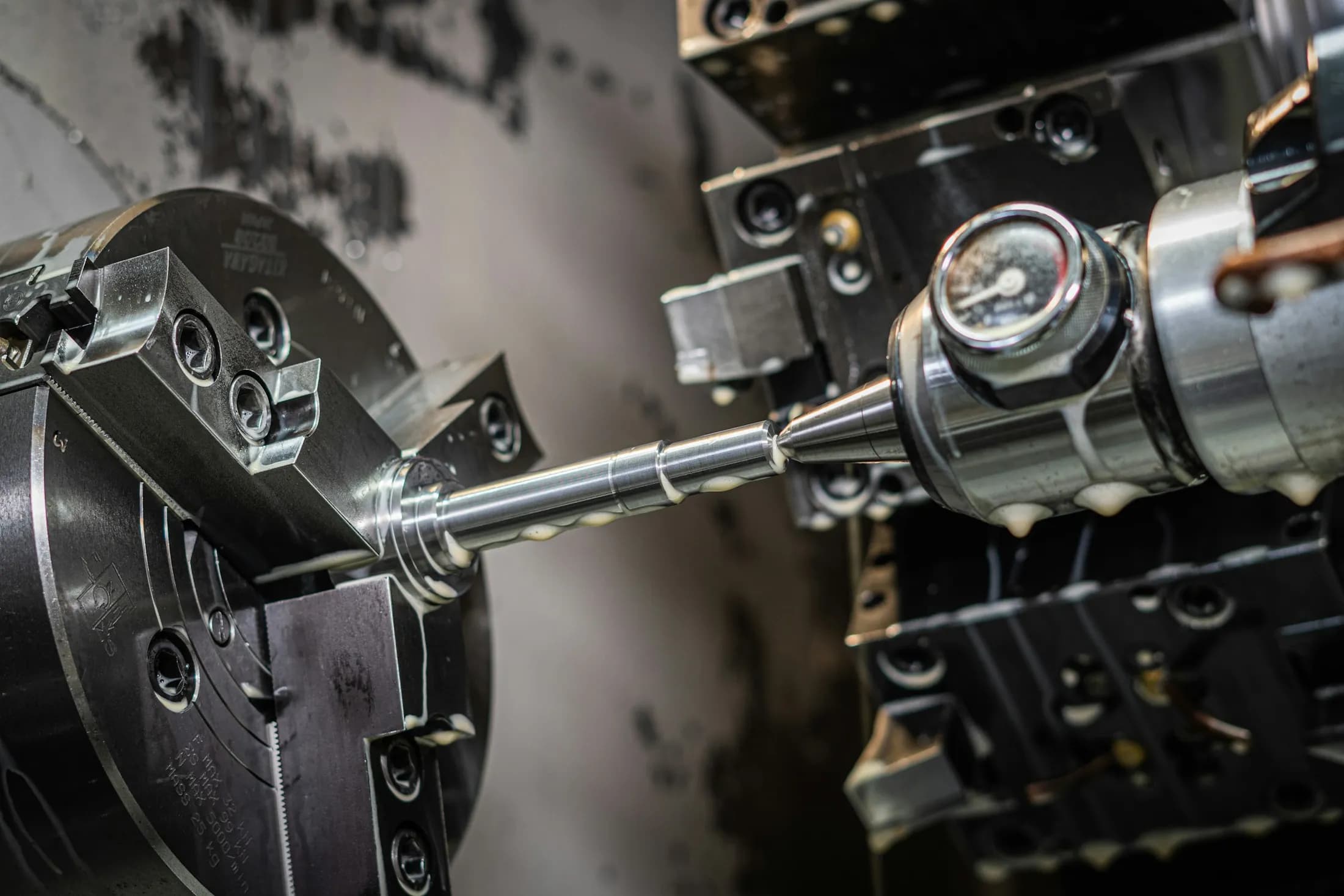
We turn shafts, bushings, flanges and rings to your drawing. The part has to do its job in the assembly, and come out the same in the next batch.
Before quoting we review diameters, lengths, material, quantity and technical requirements and work out how to make the part.
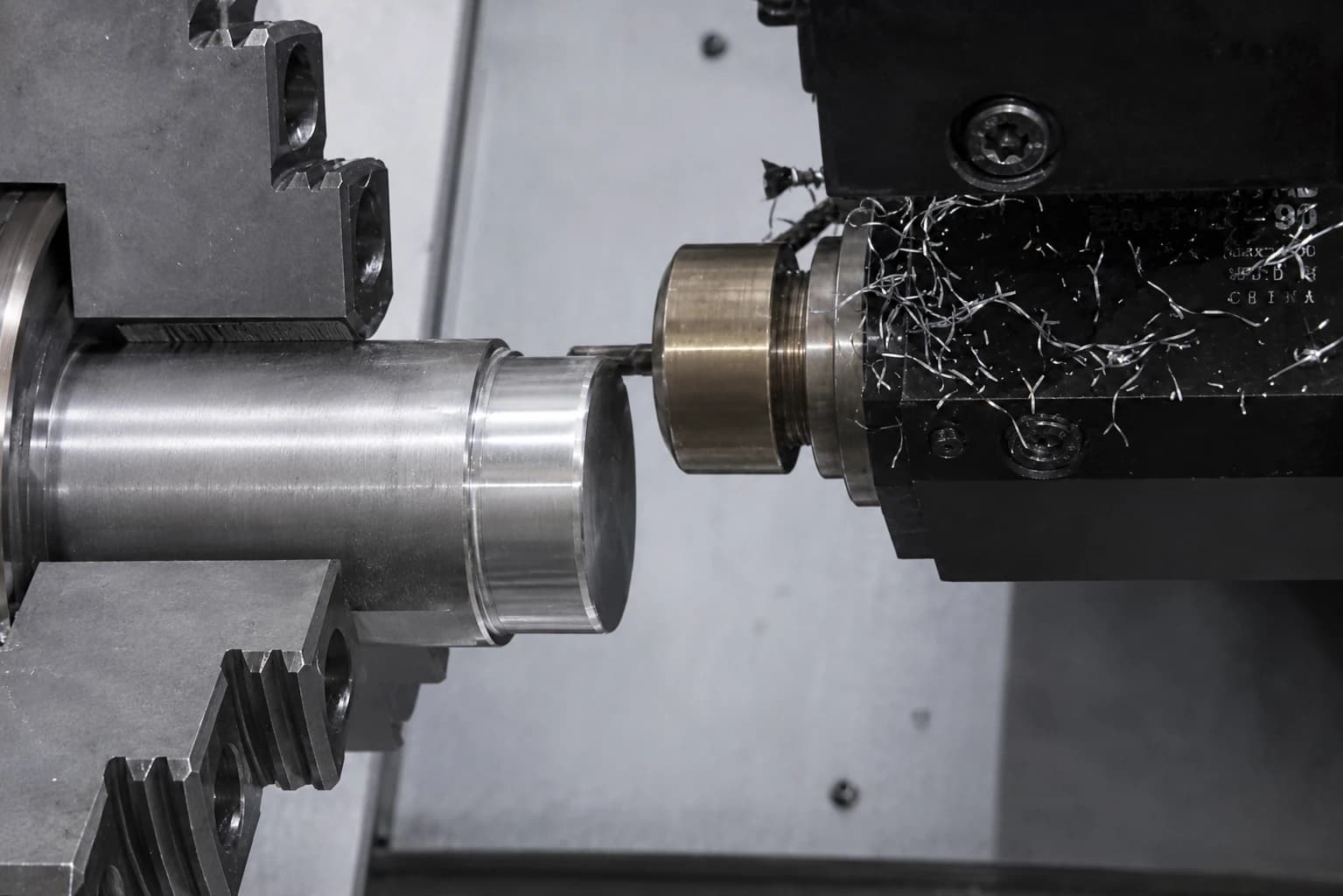
We turn on a LYNX 2100 LY turning centre. When a part also needs flats, grooves or cross holes, we combine turning with milling.
On the drawing, mark diameters, threads, grooves and critical transitions.
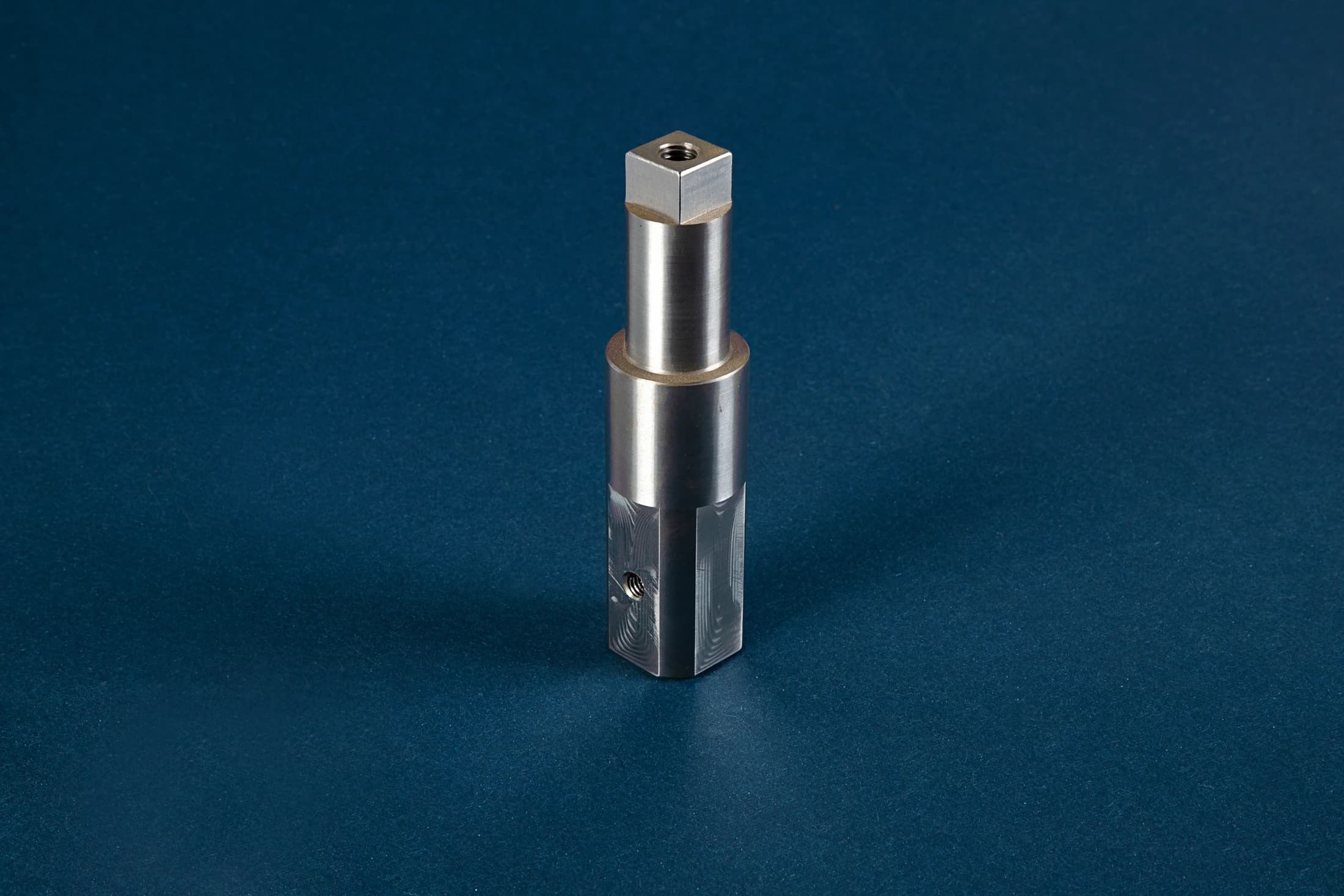
Stepped shaft
Examples of turned parts
If your part is a shaft, bushing, flange or another round part, you will find similar shapes here.
The examples show the kinds of shapes we turn. Every order is assessed from its drawing and requirements.
CNC turning: dimensions, process and quality requirements
For a shaft, bushing, ring or flange, the interfaces with other parts matter alongside the overall dimensions. Show the mating surfaces and the acceptance requirements for the finished part in your drawing.
Shafts and stepped parts
Specify the overall length, the diameter and length of each step, grooves and transitions. Mark mating features and their tolerances. If relative surface positions or runout matter, specify the requirement and its references in the drawing.
Bushings, rings and flanges
Specify outside and inside diameters, part length or thickness, and end-face requirements. Show the hole pattern for a flange, and the designation and working length for a thread. Include flats, cross-holes and other additional machining features in the same drawing.
Material and machining sequence
Include the exact material grade, quantity and details of customer-supplied stock if applicable. State any heat treatment, coating or other additional operation at the outset. We assess feasibility and the effect on final dimensions before agreeing the quotation.
Critical dimensions and inspection
Identify diameters, fits and surfaces that determine how the part works in its assembly, along with the required roughness. Inspection requirements should refer to a specific drawing revision. Include any required inspection report or material document with the order requirements.
The goal is not simply to turn material on a lathe. The goal is a part that fits its intended function and matches the drawing.
You send a drawing or 3D model. We evaluate how a rotationally symmetrical part can be manufactured.
What the price depends on
Price comes mostly from machining time, setup and tooling. The more of this we know, the more accurate the offer.
Geometry
Diameters, lengths, undercuts and transitions decide how many setups the part needs and how long it stays on the machine.
Material
Material sets cutting parameters, tooling and the cost of the blank. If you have not chosen one yet, say so.
Quantity
Setup and programming are spread over the whole batch, so a larger batch usually lowers the price per part.
Tolerances
Tight tolerances need more careful machining and more measuring. Mark which dimensions are critical.
Surface requirements
Roughness and visible faces can add machining or finishing steps.
Additional operations
Cross holes, flats and grooves add machining time. Show them on the drawing so the price includes them.
From bar stock to a part ready for your assembly.
What we need to price a part
A STEP model shows an approximate price straight away. For an exact offer, add a drawing with tolerances and threads.
3D modelis
STEP, STP
Tehniskais rasējums
PDF, ja nepieciešamas papildu prasības
Materiāls
Daudzums
Papildu prasības
How an order works
You send a drawing or model
A STEP or PDF file, the material and the quantity are enough. A STEP model shows an approximate price straight away.
We review the part
An engineer checks diameters, transitions, material and critical dimensions.
We send an offer
You get the exact price by email, usually within 1–2 working days.
We turn the parts
We write the CNC program and turn the parts on the turning centre.
We inspect and ship
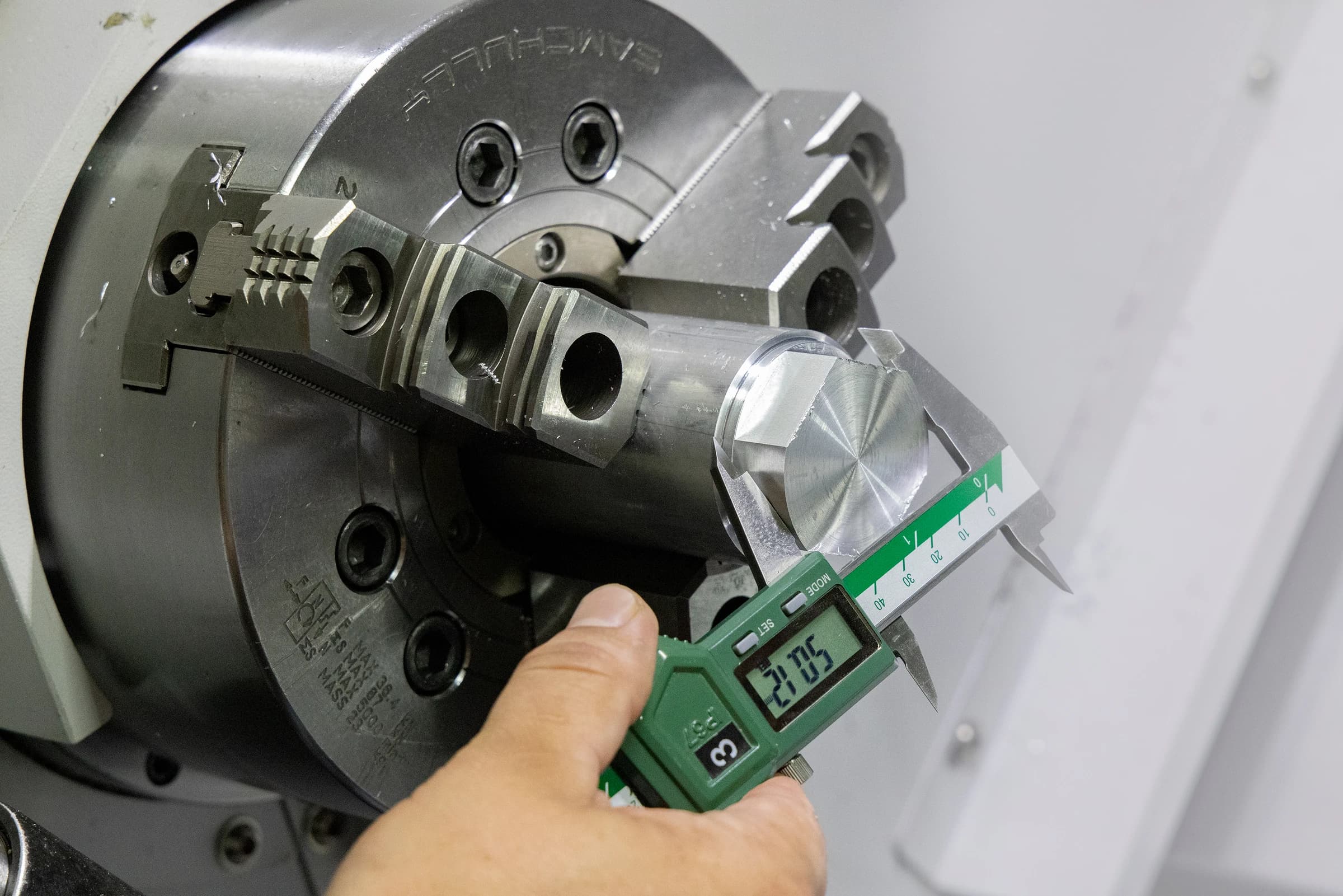
Before dispatch we check dimensions and surfaces against the drawing.
Repeatable dimensions in every batch
ISO 9001
Quality should be repeatable in the next part batch as well. We work with a quality management system aligned to ISO 9001.
Questions about CNC turning
Which parts are shown in the turning examples?
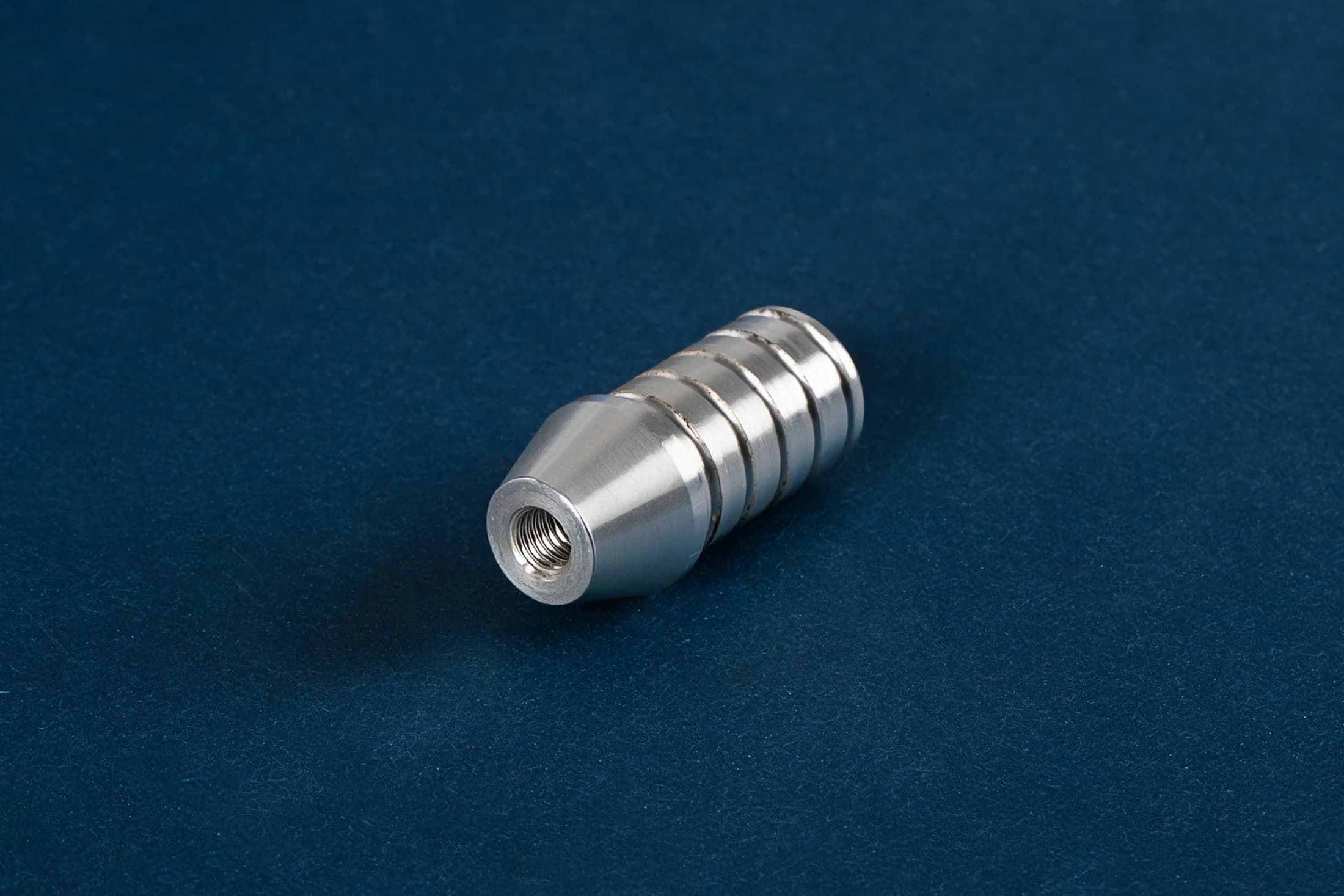
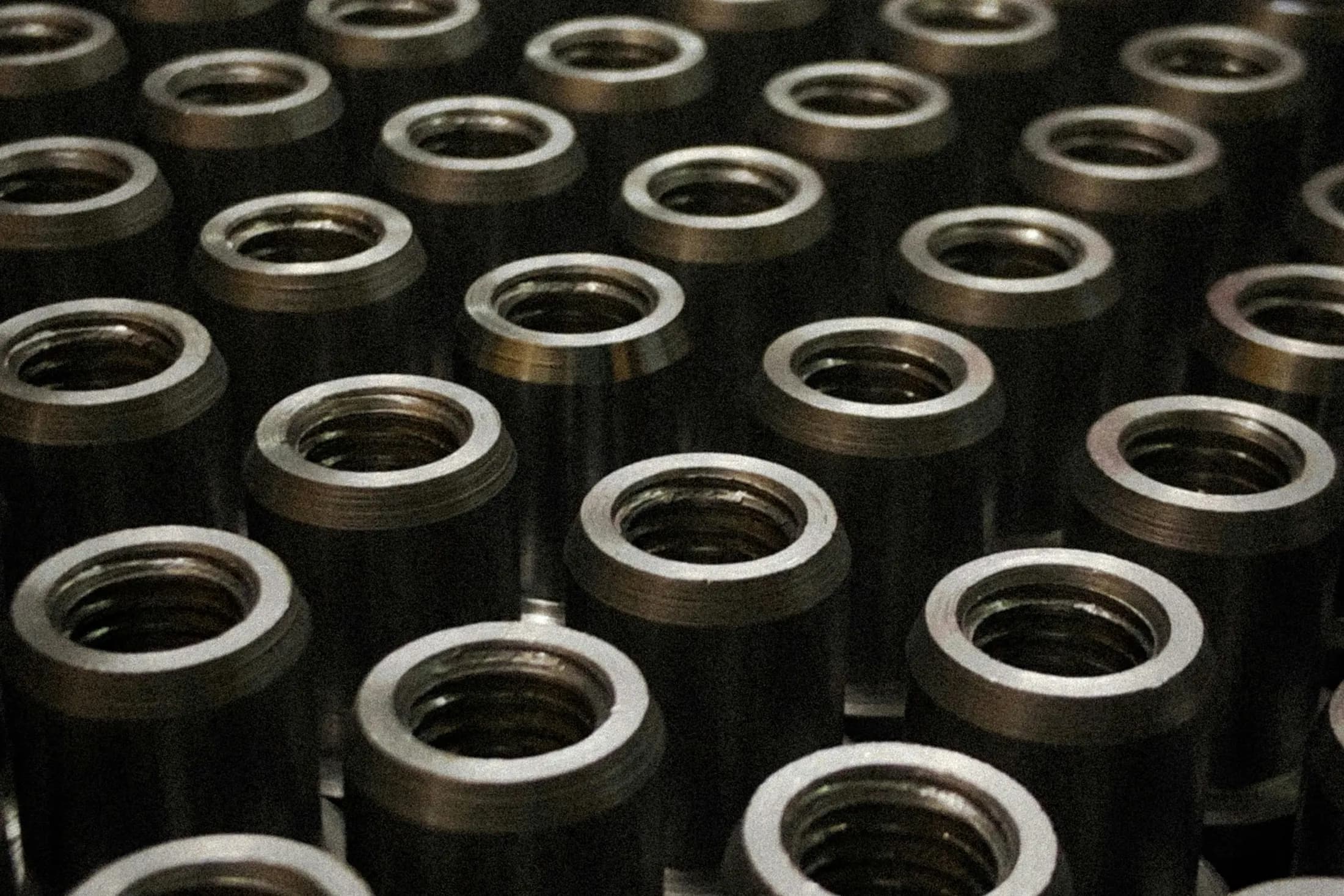
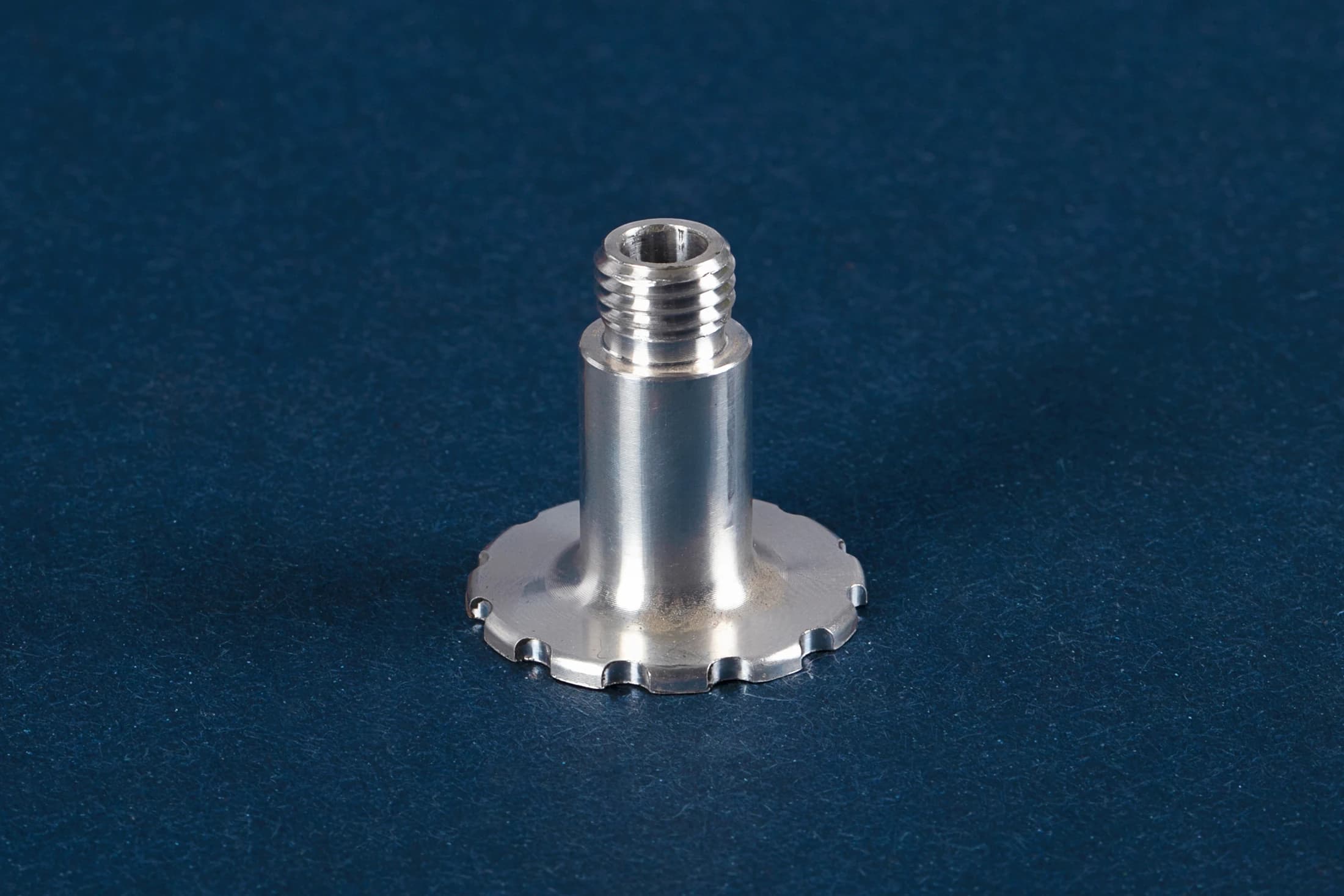
The gallery shows a stepped shaft, a grooved cylindrical part, turned rings and a threaded flange part: the kinds of shapes we turn. We assess a similar order using its own drawing, material and requirements.
What if a turned part also needs flats or cross-holes?
Include them in the same current drawing and 3D model as the turned surfaces. We assess additional operations and their requirements together before agreeing the manufacturing approach and price.
How should I specify the required accuracy?
Specify the dimensional tolerances, surface roughness and geometrical requirements in the drawing. Achievable results are assessed for the particular part; a photograph or another project example does not replace these requirements.
How quickly can I get a price?
Upload a STEP or STP model and you see an approximate price straight away, before any contact details. An engineer prepares the exact offer from the drawing, usually within 1–2 working days.
What tolerances can you hold?
Standard tolerances follow ISO 2768-m, fine ones ISO 2768-f. Put tighter tolerances on the drawing and the engineer assesses them in the offer.
Do you make prototypes and series?
Yes, single prototypes as well as series. You can list several quantities in the request and compare the price for each.
Get a price for a turned part
Upload a STEP model and you see an approximate price straight away. PDF, DXF and SolidWorks files work too.